
Gordon Lightfoot (1938-2024) was an institution and an icon in Canadian music and has been for a very long time. He’s going to be held up as legend in Canadian music, and especially Canadian folk music, until pretty much the end of time.
Gord released his first album in 1966 and his last in 2020 – a total of 9 studio albums, 3 live albums, 16 greatest hits compilations and 46 singles.
Also, can we take a moment to appreciate that he had a career that was both long enough and successful enough to warrant 16 greatest hits albums?
For comparison, fellow Canadian icons The Tragically Hip (whose discography spans 1987 to 2016) put out 13 studio albums, 2 each of live and compilation albums, 2 EPs, and 63 singles.
Now, the point I’m trying to make here is that if I wanted to write a post about a Gordon Lightfoot song, I had a lot to choose from.
Given that pirates loom large in my literary career, I figured I’d pick an apropos song and go for one about famous nautical disasters.
Creative Commons Attribution-Share Alike 3.0 Unported License.
But not the one you’re thinking of…
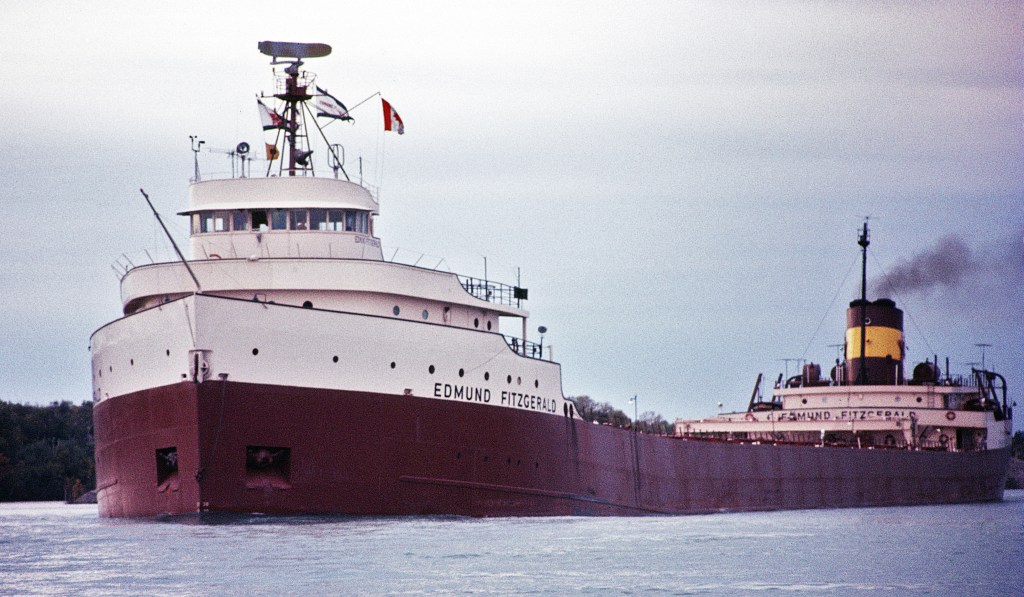
I think especially to non-Canadians, who are probably more likely to be less familiar with just how much of a big deal Gord was and continues to be here, his most famous song is easily The Wreck of the Edmund Fitzgerald. Admittedly, that’s probably also true in Canada, but I think Canadians could at least name one or two of his other songs.
Given that the real events happened before my time and the mythical quality the song’s enduring fame has leant to them, I was actually shocked to learn that the actual wreck isn’t some far-off event from a half-remembered distant past.
It happened in 1975.
To put things in relationship to Gord’s overall career: The song isn’t on his first greatest hits album because the wreck hadn’t happened yet. Strictly speaking, the album and the shipwreck were both November 1975, but the wreck hadn’t happened by the time he had finished recording. The song would be recorded by the end of 1975 and released as a single the following August.
I kinda feel like there’s a “if I had a nickel joke” here, but it is a little weird that Gordon Lightfoot wrote two pretty good songs about shipwrecks.
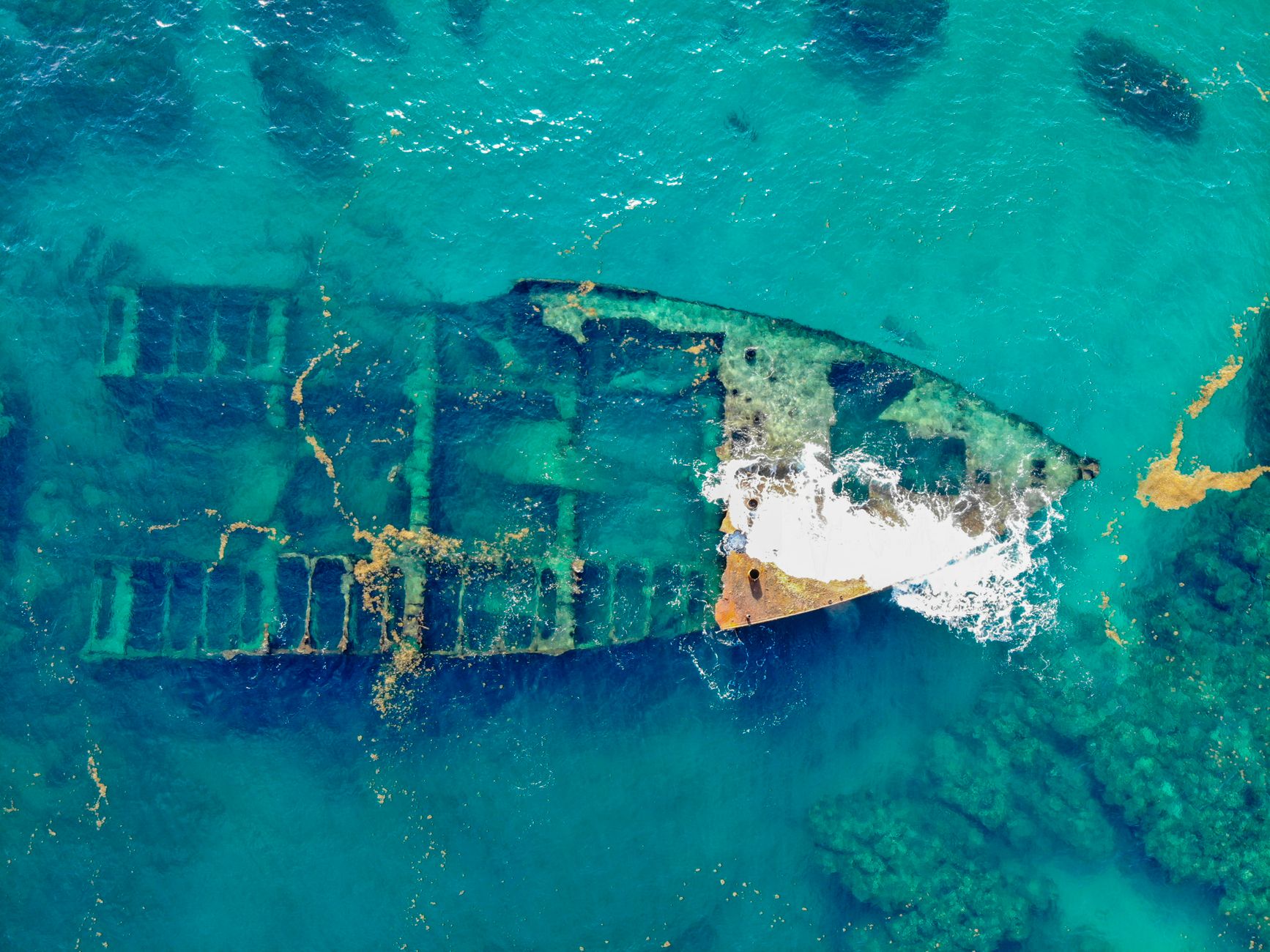
Photo by Marc Coenen on Pexels.com
The one I want to focus on now is his lesser-known shipwreck ballad, Ghosts of Cape Horn.
Apparently written for a documentary movie of the same name, first performed for a PBS live show in 1979, released on the 1980 album Dream Street Rose, his thirteenth album. For perspective, in their entire career, Led Zeppelin put out 9.
Sidebar: Zeppelin also played Ottawa. A fact that, as a lifelong citizen of Ottawa, will never not shock me…
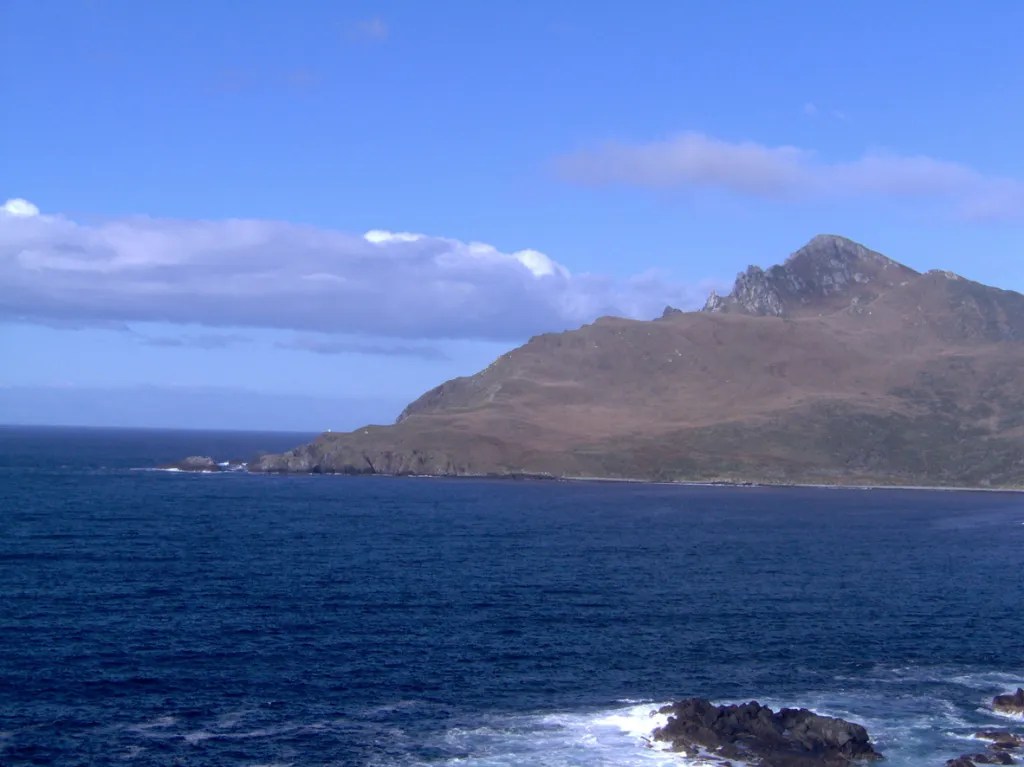
To summarise briefly, Cape Horn is the most southerly point in the Americas at the very southern extremity of Chile.
To put that geography in context, the province where Cape Horn is located is called “Antártica Chilena Province” — 650 km (about 400 miles) from the Antarctic continent, slightly more than the distance between Buffalo and New York City, and not really a huge distance where sea travel is involved.
And if there’s one thing the Antarctic is known for, it’s good weather…
Before the opening of the Panama Canal, the quickest way to get from the Atlantic to the Pacific or vice versa was to go all the way around South America, hence going past Cape Horn, hence “rounding the Horn.”
And, again if there’s one thing the Antarctic is known for, it’s good weather, so rounding the Horn was infamously dangerous (and still is — it’s not longer necessary thanks to the Panama Canal, but remains popular with yacht racers and other recreational sailors): miles from anywhere, huge waves, strong winds, rocky coasts, and icebergs.
And the song does convey that it’s not exactly a fun time:
“See them all in sad repair, demons dance everywhere
Lyrics (and chords) here.
Southern gales, tattered sails and none to tell the tale.”
Take a listen. It’s surprisingly jaunty for a song about one of the most infamously dangerous stretches of ocean in history:
The Emona Literary Services™ Playlist is here:
Now, a quick reminder that I am a professional writer and editor, and if you’re in need of writing and editing support, please consider taking a look at the work and rates currently offered by Emona Literary Services™ and reach out if you think I can help you.
Please consider supporting Emona Literary Services™ to help me expanding my publishing and content creation projects, via Patreon, Ko-fi, or directly through Paypal by scanning the QR code below:

You can follow me on my various social media platforms here:
© Joel Balkovec — Published by Emona Literary Services™.

This work is licensed under a Creative Commons Attribution-NonCommercial-NoDerivatives 4.0 International License.
The author prohibits the use of content published on this website for the purposes of training Artificial Intelligence technologies, including but not limited to Large Language Models, without express written permission.
All stories published on this website are works of fiction. Characters are products of the author’s imagination and do not represent any individual, living or dead.
View the Emona Literary Services™ Privacy Policy here.


Leave a comment