Led Zeppelin is the, well, Led Zeppelin of rock music.
Though rightly regarded as one of the pioneers of Heavy Metal — both in terms of musical style and in terms of being colossal nerds about it — their full repertoire of songs is surprisingly diverse despite the sound of their most well-known songs.
Quoth Wikipedia:
Led Zeppelin’s music was rooted in the blues. The influence of American blues artists such as Muddy Waters and Skip James was particularly apparent on their first two albums, as was the distinct country blues style of Howlin’ Wolf … The band were also strongly influenced by the music of the British, Celtic, and American folk revivals … The band also drew on a wide variety of genres, including world music, and elements of early rock and roll, jazz, country, funk, soul, and reggae …
The material on the first two albums was largely constructed out of extended jams of blues standards and folk songs. This method led to the mixing of musical and lyrical elements of different songs and versions, as well as improvised passages, to create new material, but would lead to later accusations of plagiarism and legal disputes over copyright.[Full article here.]
Among the band’s most incongruous pieces comes from Led Zeppelin IV. Technically, the album is untitled and several other standin names have been used in various contexts, but “Led Zeppelin IV” has become its most common name by dint of the being the fourth album and fitting the pattern established by their previous albums.
The song in question is The Battle of Evermore.
Now, based on my introduction, it’s clear that Zeppelin were no strangers to folk music. But Battle of Evermore isn’t a folk song in the same way something like When the Levee Breaks or Gallows Pole, or even Bron-Y-Aur (…it’s Welsh). No, Battle of Evermore is a full-on mandolin opus. It’s not a folksy, rustic, down-home piece of music.
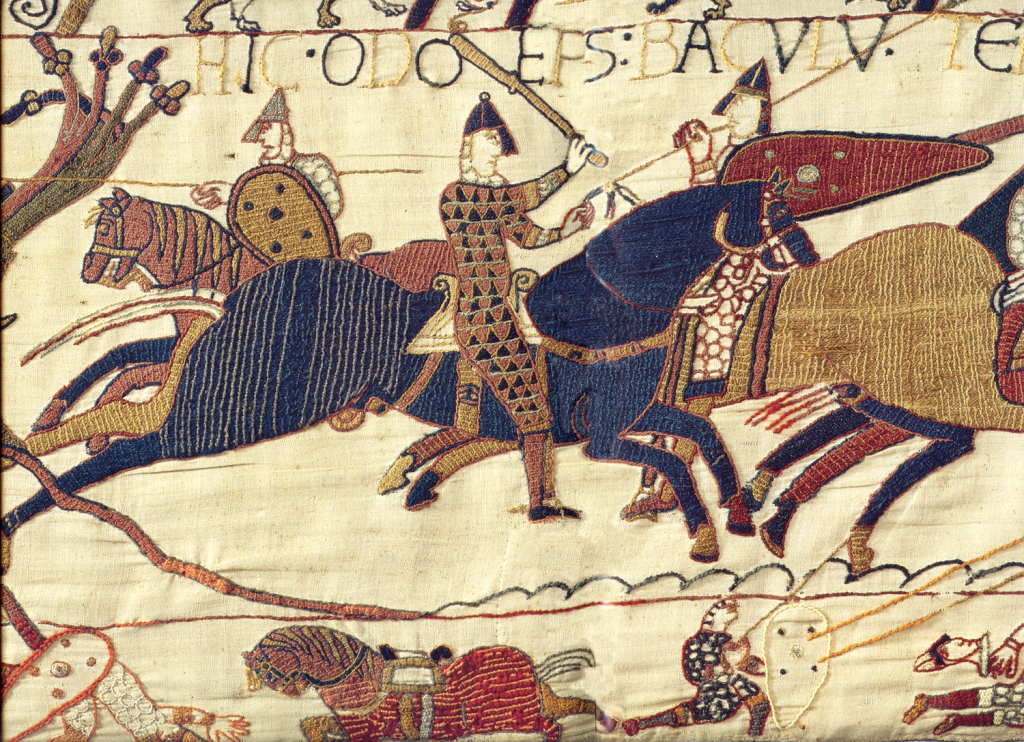
It’s basically Zeppelin full-on partying like it’s 1199…
Featuring John Paul Jones on said mandolin — in addition to being the bassist and keyboardist, he was also Zeppelin’s resident Obscure Instrument Guy and guest vocalist Sandy Denny providing the only female vocals to appear on a Zeppelin song, The Battle of Evermore owes a clear debt to the works of J.R.R. Tolkien:
“The pain of war cannot exceed
The woe of aftermath
The drums will shake the castle wall
The Ringwraiths ride in black, ride on.”Lyrics via Genius.
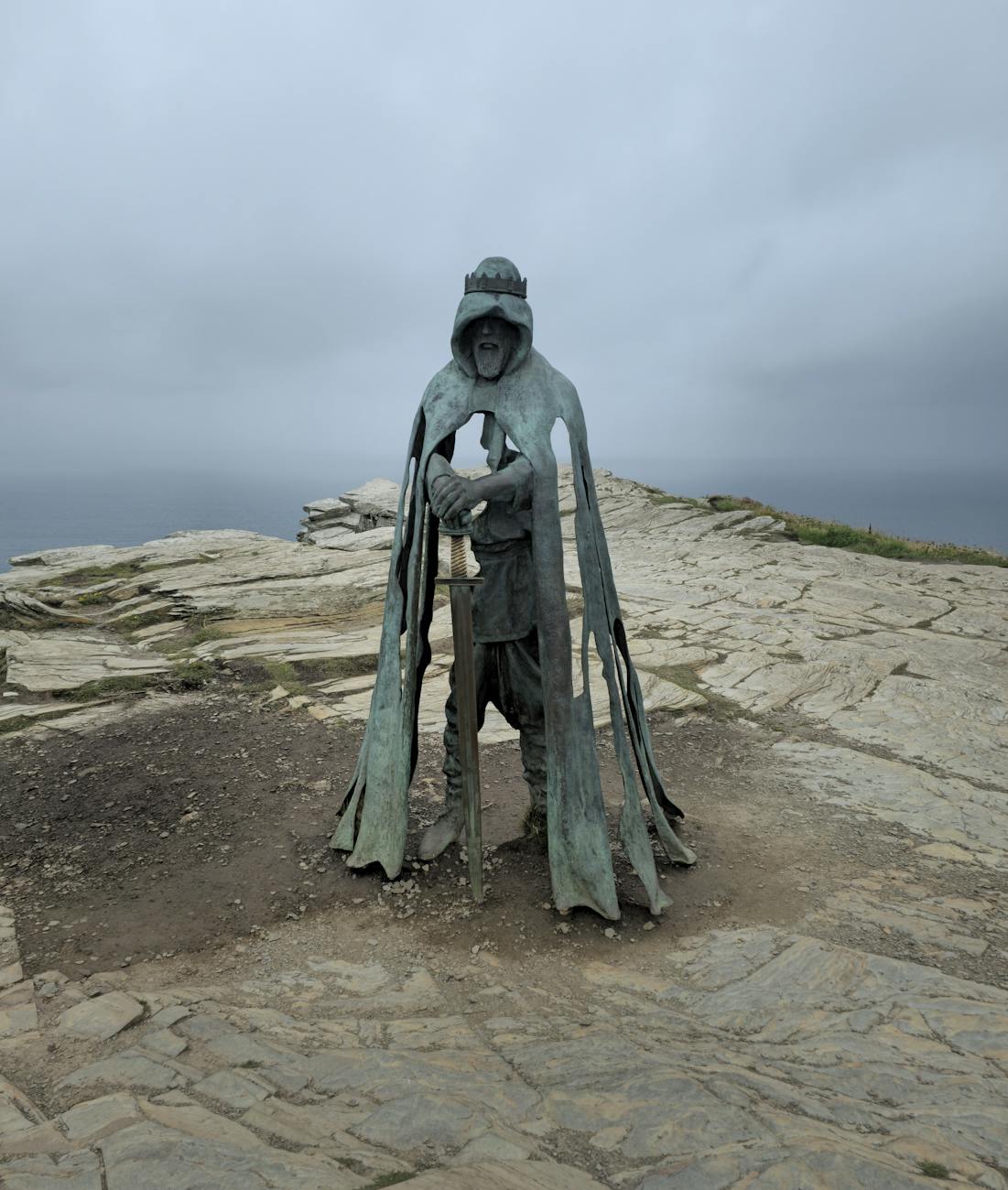
Personally, I think it’s less “Lord of the Rings set to music” that a lot of people take it for and beyond the few explicit references like the Ringwraiths, I’m pretty sure they’re just going for generally evocative and Fantastical imagery and lyrics.
For example, I think the Queen of Light being Galadriel is tenuous at best, and the Prince of Peace embracing the gloom and walking the night alone being Aragorn taking the Paths of the Dead just doesn’t hold up — not least of all because Aragorn had an entire army with him.
It makes a bit more sense if it’s Frodo. But, even then, I think it’s just a vague allusion rather than a direct reference.
Also, Zeppelin is clearly mixing their metaphors here. The only explicit reference to a specific Fantasy story other than the Ringwraiths is to Avalon. So, the song is clearly less “Lord of the Rings set to music” and other “Generic Fantasy War set to music.”
Honestly, I think odds are also pretty good that Zeppelin is just name-dropping things they read about and thought sounded cool.
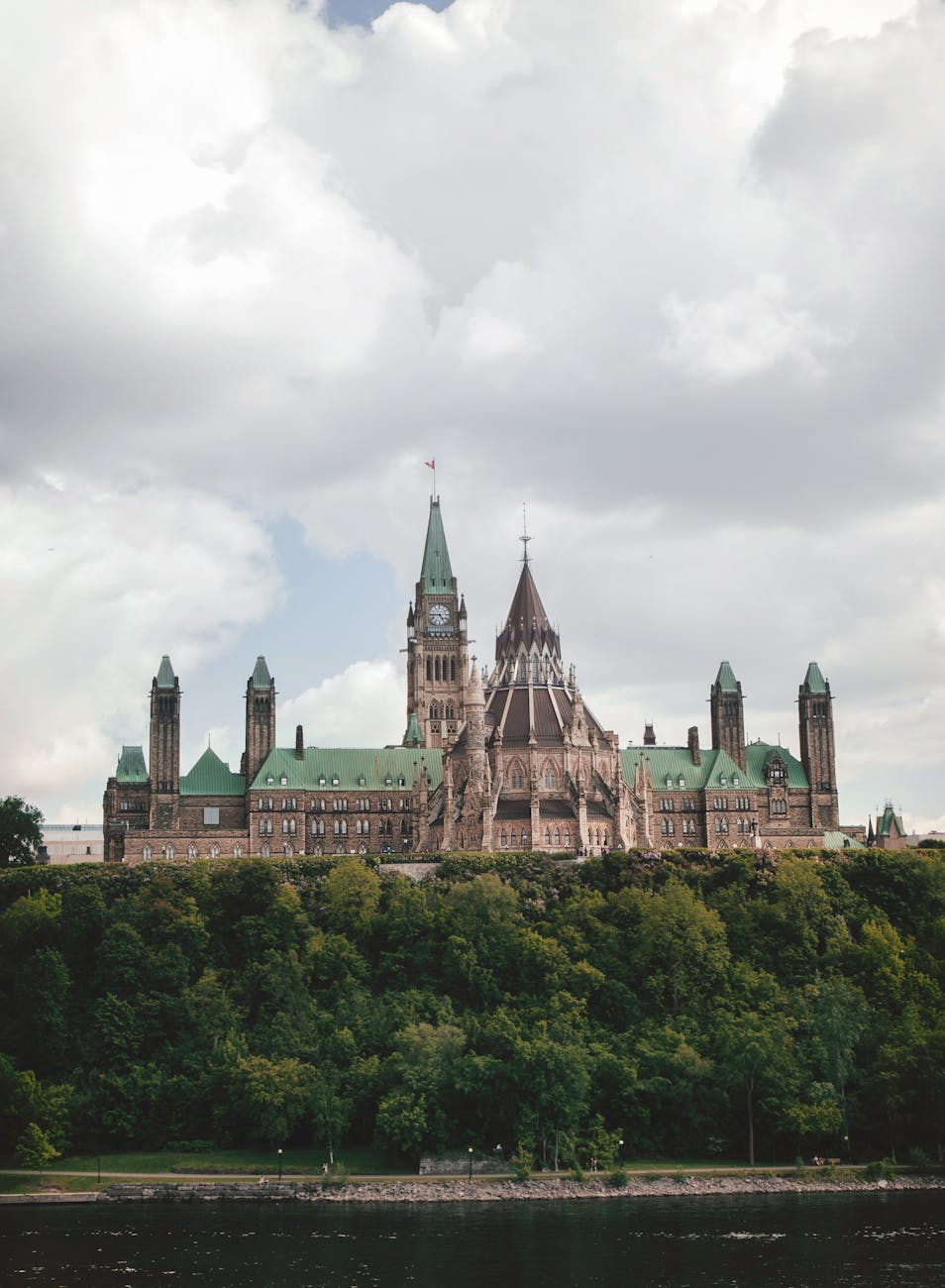
Quick final sidebar, I was shocked to learn that Led Zeppelin actually played my hometown, lovely Ottawa, Ontario, Canada (bigger, incidentally than 28 countries).
They weren’t quite in their Biggest Band in the World phase, but Zeppelin is a pretty big get for a place infamous as the City that Fun Forgot, hence my shock, and even the Led Zeppelin website includes a local review noting that the Civic Centre was an ugly venue back in 1970 (and was even into my own lifetime), which only further shocks me that they ever played here.
Taking a look at the setlist, it seems like most of their big hits were missing, though that’s largely because they hadn’t been written yet. Zeppelin played Ottawa April 14, 1970 – they’d record Led Zeppelin III (and Immigrant Song) in the fall of that year and Zeppelin IV (with Black Dog, Rock and Roll and most notably Stairway) in 1971. And by that point, they absolutely were the Biggest Band in the World and out of reach for fairly small city with no real good music venues like Ottawa.
That’s, incidentally, still a problem. Hence the “City that Fun Forgot” thing…
But, ahem, here’s Battle of Evermore:
The official Emona Literary Services™ playlist is here:
Now, a quick reminder that I am a professional writer and editor, and if you’re in need of writing and editing support, please consider taking a look at the work and rates currently offered by Emona Literary Services™ and reach out if you think I can help you.
Please consider supporting Emona Literary Services™ to help me expanding my publishing and content creation projects, via Patreon, Ko-fi, or directly through Paypal by scanning the QR code below:

You can follow me on my various social media platforms here:
© Joel Balkovec — Published by Emona Literary Services™.

This work is licensed under a Creative Commons Attribution-NonCommercial-NoDerivatives 4.0 International License.
The author prohibits the use of content published on this website for the purposes of training Artificial Intelligence technologies, including but not limited to Large Language Models, without express written permission.
All stories published on this website are works of fiction. Characters are products of the author’s imagination and do not represent any individual, living or dead.
View the Emona Literary Services™ Privacy Policy here.
 Emona Literary Services
Leave a comment